I do not wish to argue, but since you continuously post the same Context repeatedly, I will respond just this once.
What you are saying applies equally to the Internet (Worldwide Web). ...
Let me drop my two cents, then. I prefer gooning to engaging in drama, but sadly I read a few CliffNotes on the issue a while ago and can't help but be the ackshully guy.
I do not agree with the extreme stance that derivative creations must be free if it uses any freely available resources, because labor is also an input that deserves compensation, but your rebuttal is missing the point too. It is misleading to conflate unwillingness or inability to act with approval, as well as to use parody doujins as representing the entire "Doujinshi" label. The Yurabe/Makisu/etc. model of free access with an optional Patreon is in my opinion the best solution as it allows all parties involved to sleep better at night.
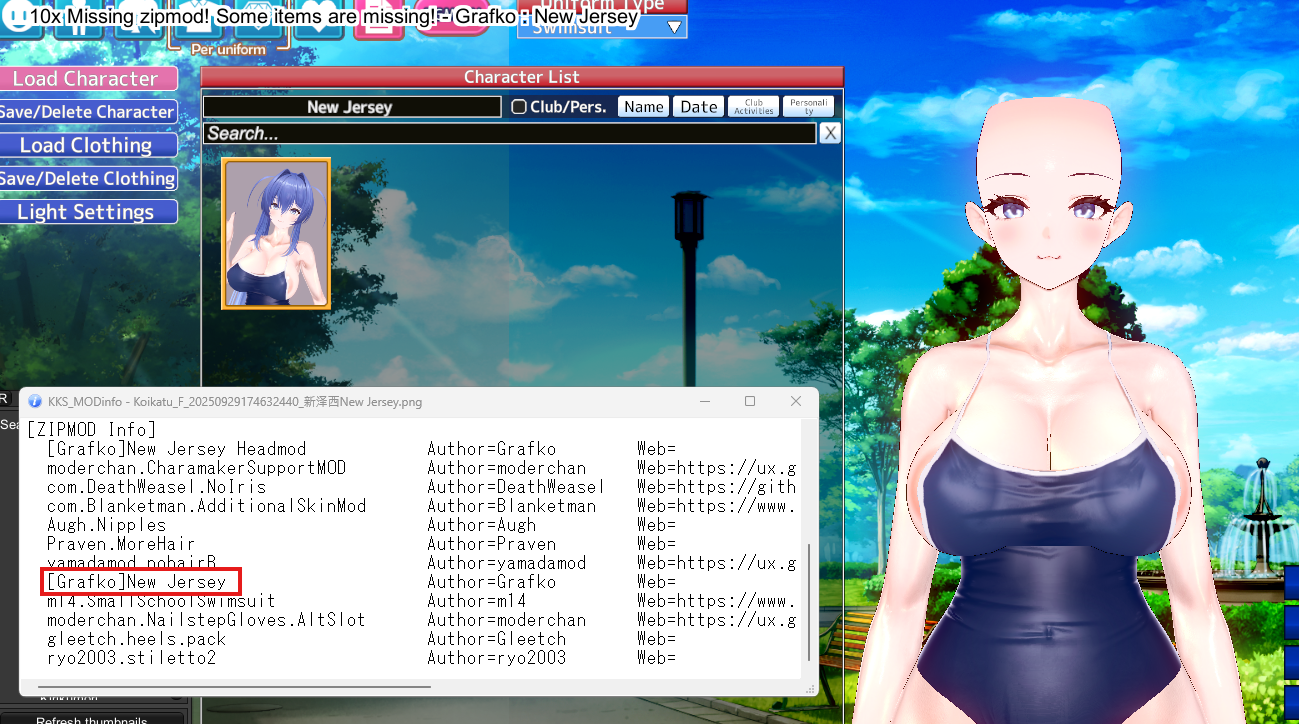
To begin, I believe Illusion did forbid paid mods, or any other unofficial attempts to monetize Koikatsu content. Illusion only took no steps to enforce this rule because it is infeasible, but that does not mean they didn't "not want this type of content market". Only industry giants like Nintendo actually have the time and resources to move against fan projects, and even then they only limited their efforts to highly visible projects that either try to monetize or risk displacing Nintendo's own works.
By the way, Comiket is always at risk of being shut down by the copyright holders, only that it is a threat that seldom gets realized for practical reasons (free advertising, no use pursuing a small-time author who can't even pay the legal fees, etc.). And some copyright holders do enforce their rights in a visible way. For one, Atelier Ryza parodies can never be sold online because KOEI TECMO explicitly forbids doing so (I believe it's a straight up parody ban actually, but it's not like they have death squads that patrol the venue and arrest you on sight if you dare sell Ryza lewds at the convention). For a more Koikatsu-adjacent example, look at how Nemu was forced to delete all of their VSPO cards.
That is unwillingness to act or knowing ignorance, quite different from how Illusion made a statement but was unable to enforce it in any effective way. It would be quite misleading to assume Illusion tacitly approved paid mods because they didn't go after numerous authors in multiple countries, each with their own copyright laws and law enforcement and whatnot, like the copyright holders who could strike at a central location (Comiket in this case).
Also, a tangent, but "Doujin" only means "Like-minded people" literally and "self-published" effectively. Original doujinshi are a thing (and in fact the only thing over at COMITIA), and authors can simply publish doujinshi and merchandise of their OCs at Comiket, sell like hotcakes and be subject to none of the restrictions. I believe you're actually referring to parody doujinshi in your answer.
As for the Internet analogy, I find the crucial distinction to be the point that the Internet is not fundamental to the use of such derivative works. The Internet facilitates exchange of ideas to the point that a lot of creations probably would not have been made if it didn't exist, but the Internet is only the underlying pathway that enables the creation rather than something the creation cannot be used without.
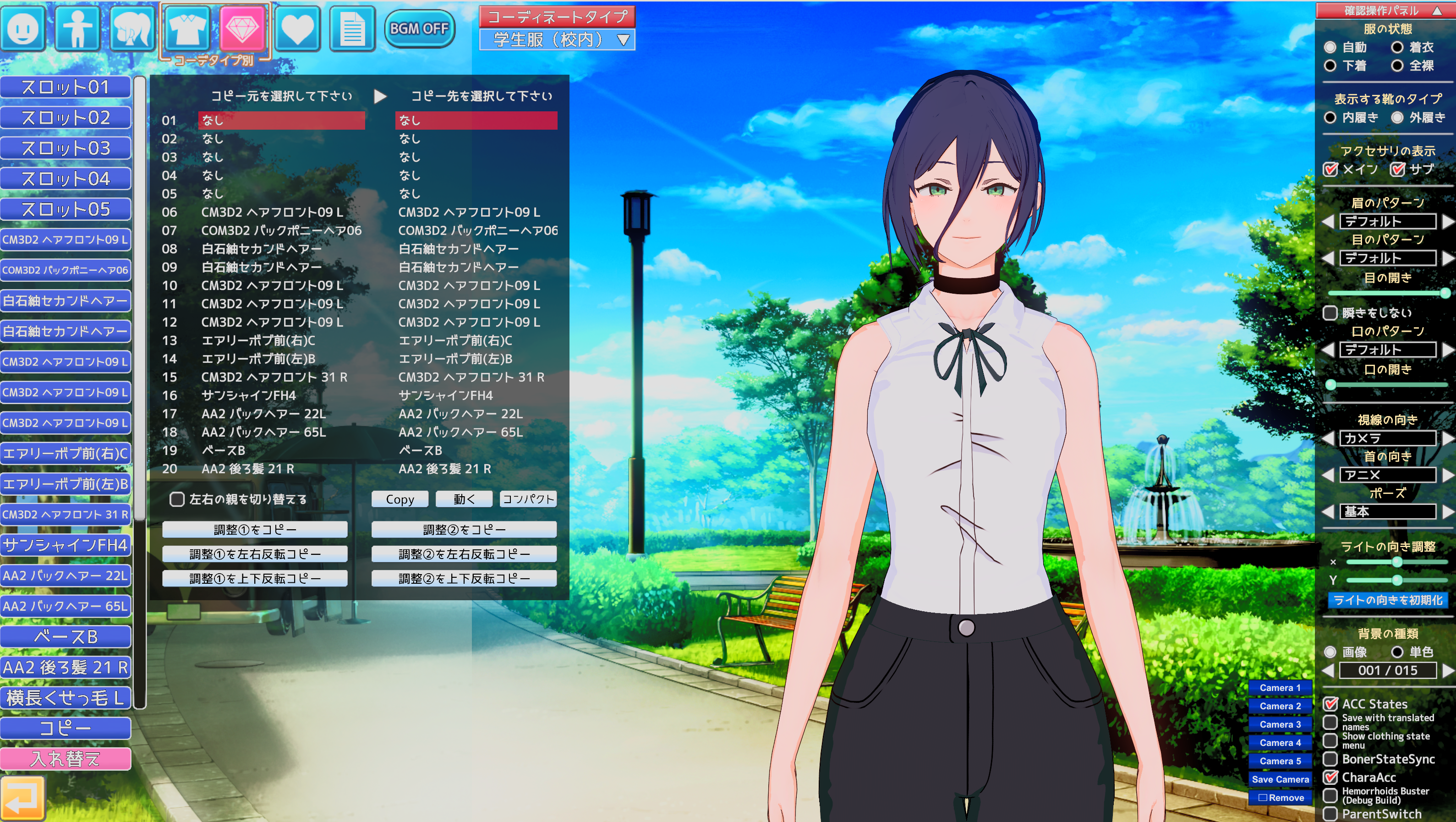
In contrast, look at the common Koikatsu paid mod. It is nothing without Koikatsu, a game Illusion held the rights to, and sometimes based on assets ripped from other copyrighted works. Whether the mod author acquired their resources through the Internet or by picking up a dead drop in a shady alleyway does not change the fact that their paid mod is entirely derivative of Koikatsu, and thus should be subject to the rules set by Koikatsu's rights holders.
Mod authors, paid or not, could use compensation if only for the hours they put into converting the original materials into a Koikatsu-compatible form, this I agree. But the moment you try to paywall a mod, all justifications of "compensation for my work", "rights for fan creators" or "this incentivizes me to create" get tainted with the fact that you are profiting with something that cannot exist or be used without someone else's hard work, and that someone else did tell you to stop but was too dead to actually stop you. Could you still do it? Sure, but don't claim you have any sort of moral high ground, and don't whine if a copyright holder (to Koikatsu or otherwise) does send death squads to your house.
That is why I find the model of free access with optional donations to be a happy middle ground, as it allows some sort of compensation together with plausible deniability, as free access is always there and supporters are only paying for more nebulous stuff like "early access" or "supporting the author" (as long as everyone reads the room and doesn't ask "for what?"). There was actually a similar incident with paid mods for Slay the Spire 2 in China, which subsided really quickly once the devs announced their stance against paid mods and the author relented by switching to such a model.